No install. No wallet. No NEAR.
The hospital’s job is to check one code and accept one guarantee. Admit handles the chain, the gas, and the settlement.
- What the desk sees
- The amount, the patient’s initials (optional, up to four characters), the pool, the status, and the expiry clock for an unaccepted guarantee.
- What the hospital needs
- Registration by the circle’s DAO, a browser, and the patient’s six-character code. No account, no app, no gas token.
- How payment arrives
- USDC to the registered hospital account after the 14-day dispute window. Local off-ramps handle fiat; the contract never pays a different account.
- What protects the hospital
- Accepted guarantees cannot expire. A claim can never exceed the guarantee. A dispute can adjust a bill, not erase the obligation.
At the desk, in order.
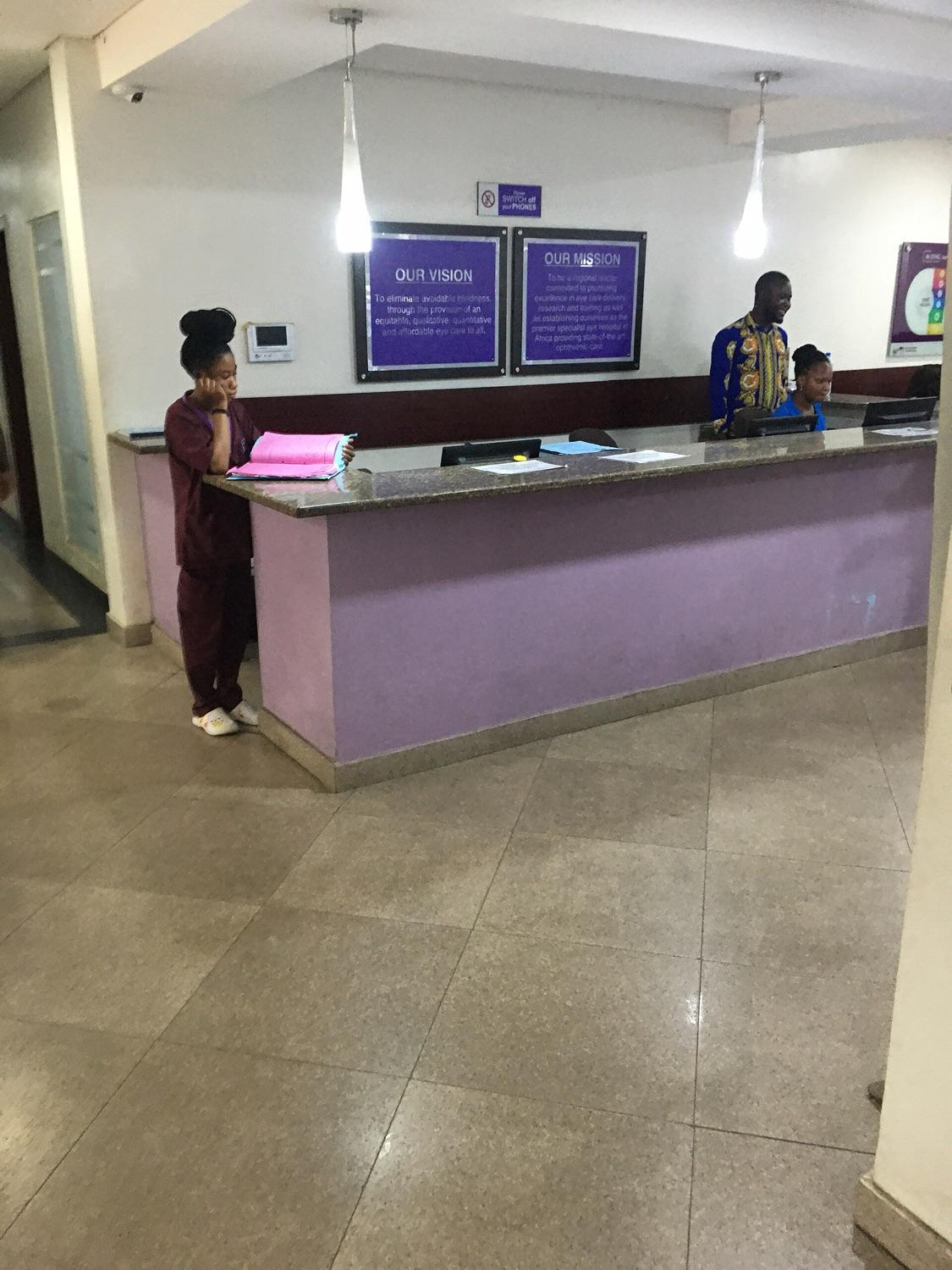
A guarantee is only useful if the triage desk can act on it. The hospital experience is four moves, and none of them needs a wallet.
- The QR
Scan
The patient or their family shows the guarantee on a phone. Any browser can open it. The page calls NEAR RPC directly, so the desk does not need an Admit account, a hospital login, or a wallet.
- The code
Type
Staff type the six characters under the QR. The page hashes the code locally and compares it with the on-chain value. A wrong code shows an error; a match reveals the amount, the pool, and the registered hospital account.
- Under a minute
Accept
One tap locks the guarantee to Accepted. The expiry clock stops for good, and the patient can be admitted. The desk can print the confirmation or save it to the patient’s file.
- After care
Claim
The hospital submits an itemized bill. The claim cannot exceed the guarantee. The member has 14 days to dispute; the council can adjust an inflated line item. Payment goes only to the registered hospital account.
What it needs, and what it does not.
The list is deliberately short. Anything that would slow down a 2 a.m. admission is left out.
What the hospital needs
- Registration by the circle’s DAO, with the exact account that will receive payment.
- A browser on a phone, tablet, or desktop.
- The patient’s six-character code, or the QR that opens the same page.
- An itemized bill when it is time to claim.
What it does not need
- No wallet, no NEAR account, and no gas token.
- No separate app, plugin, or integration project.
- No patient name, ID, or diagnosis on-chain. The guarantee carries optional initials only.
- No human approval from the pool to accept a guarantee.
Payment and disputes, without the small print.
The contract is strict about who gets paid, how much, and when. These are the parts a hospital finance office will ask about.
When does the hospital get paid?
USDC to the registered account after the 14-day dispute window, or earlier if a council member settles. The claim can never exceed the guaranteed amount.
What if the bill is higher than the guarantee?
The contract pays at most the guarantee. Any balance above it is between the hospital and the member; Admit will not silently create a second guarantee.
What happens if the member disputes?
The claim enters Disputed. A council member reviews the itemized bill and can adjust the amount. The optional AI review is advisory and cites public tariff references; the council makes the decision.
Can an accepted guarantee be taken away?
No. Accepted guarantees never expire. A dispute can reduce a claim, but the guarantee itself stays valid and the admission is not reversed by the contract.
What patient data is on-chain?
The amount, hospital, optional initials (up to four characters), status, and opaque hashes of the code and the episode. No patient name, diagnosis, or bill contents.
How does a hospital get registered?
The circle’s DAO registers the hospital account and name on-chain and funds the storage deposit. It is a governance action, not a self-serve signup, because the circle decides which clinics it trusts.