Admit first.
Settle later.
Admit is a community emergency pool on NEAR. Members contribute monthly; when someone needs urgent care, the pool issues an on-chain guarantee the hospital can verify in under two minutes, before any cash changes hands.
Live on NEAR testnet No hospital wallet Not insurance
At 2 a.m., care waits for cash.
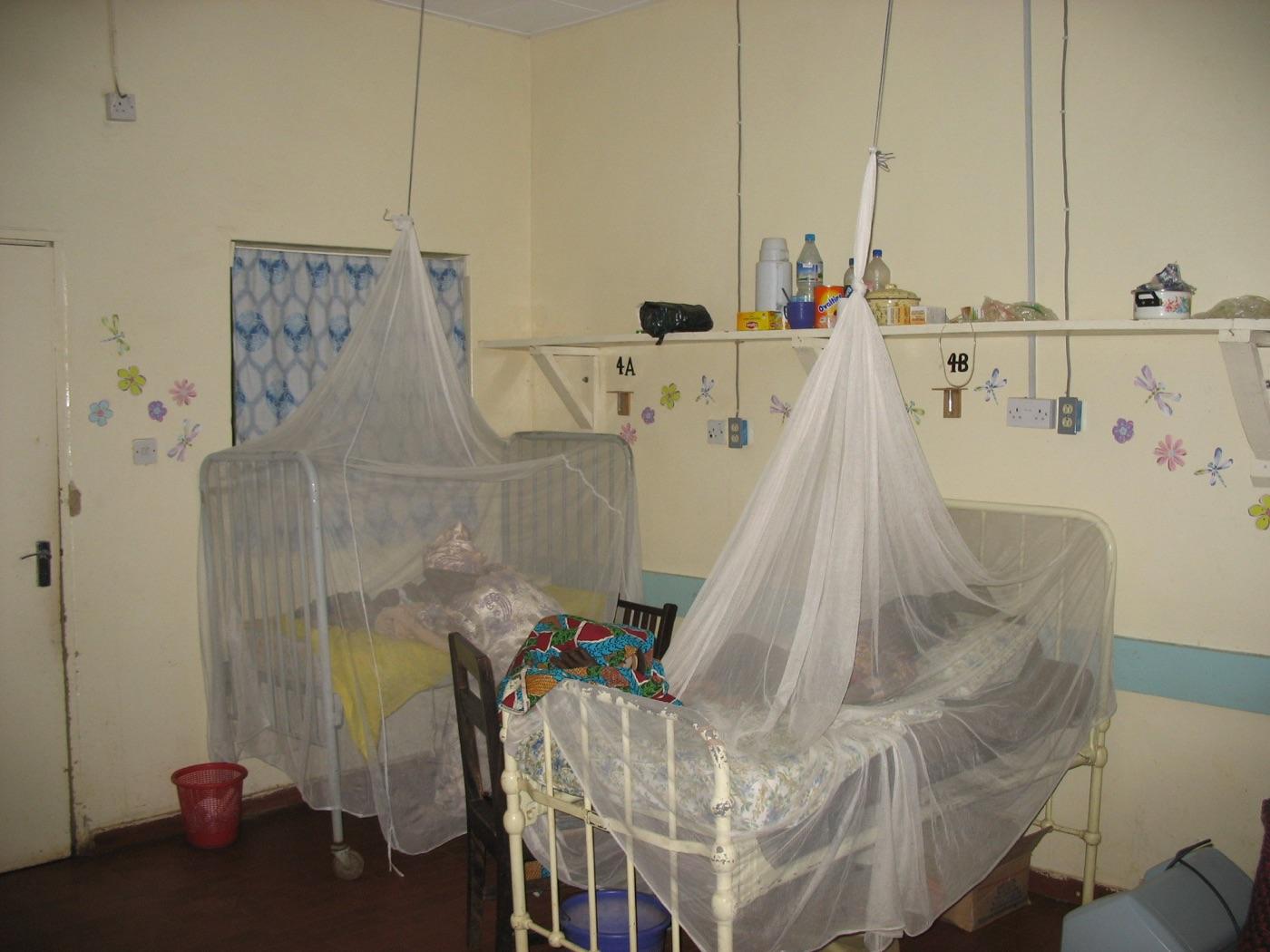
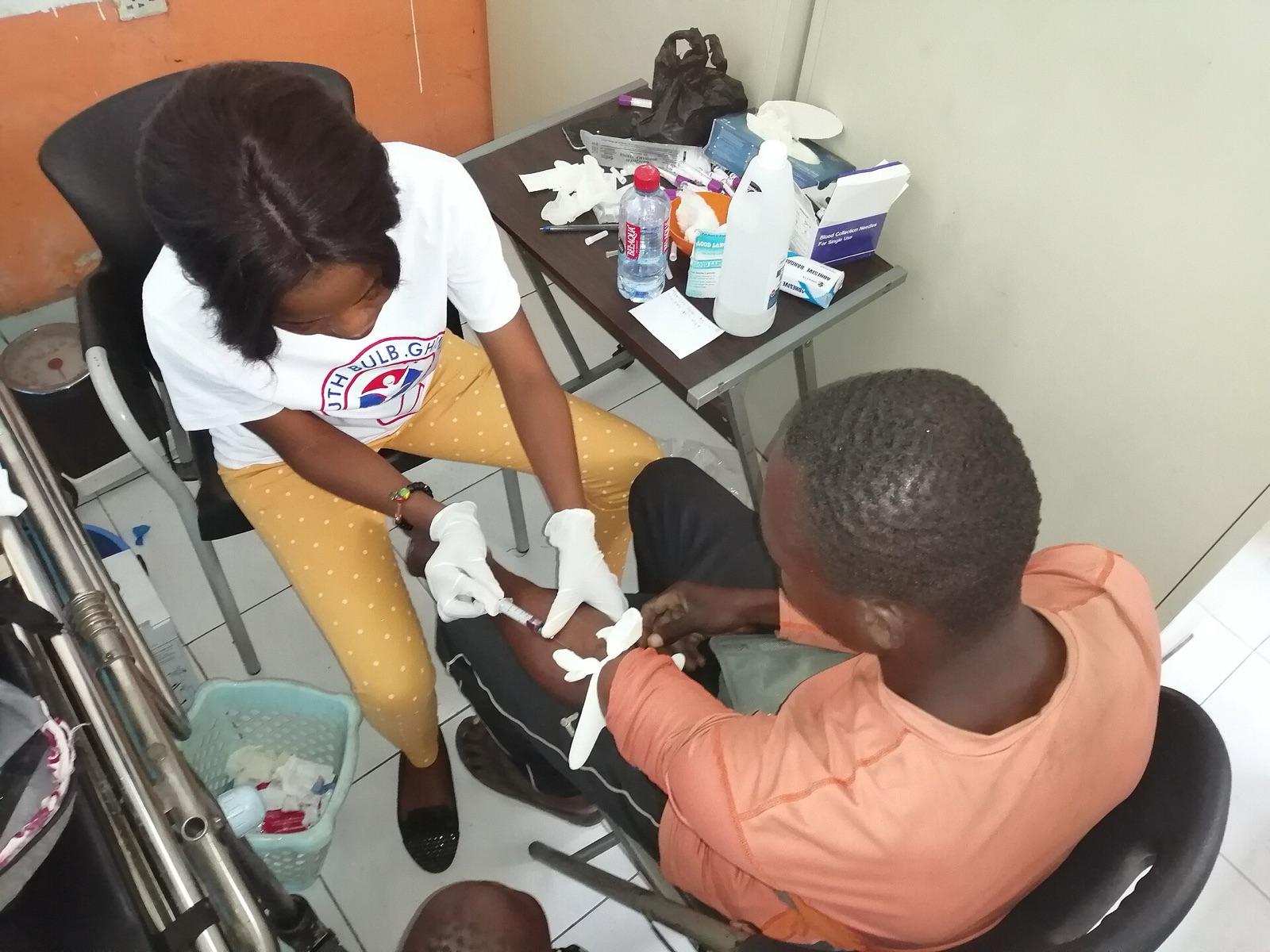
In Nigeria and across much of sub-Saharan Africa and South Asia, emergency care often begins with a cash deposit: ₦50,000 to ₦500,000, roughly $38 to $376, demanded before triage. Families borrow, sell an asset, or start a crowdfunding campaign that takes three to five days to pay out.
Trauma, hemorrhage, and obstructed labour do not wait three to five days. The deposit is a gate, and the gate is often the difference between a patient who is seen and a patient who is turned away.
- ₦50k–₦500k
- the deposit typically demanded before treatment in Nigerian hospitals
- 3–5 days
- the usual time to coordinate and cash out a crowdfunding campaign
- Under 2 min
- for a hospital to verify an Admit guarantee and accept the patient

A guarantee, not a loan application.
A circle puts money into a shared reserve. Admit turns a member’s standing into an instant limit, and when an emergency comes, the guarantee reaches the hospital before the cash does.
The pool. A circle (an extended family, an alumni association, a church, a market union) sets a monthly contribution and builds a reserve. Custody, limits, and guarantees live in one NEAR smart contract. The circle’s DAO handles the hospital registry, the parameters, and the council list.
The limit. Members earn an instant limit from tenure and contributions: a base amount plus a little for each good month, capped by the circle. The demo circle is $5 a month, a $300 base limit, up to $600. There is no credit score and no collateral.
The guarantee. A member or a paired delegate requests an amount up to their limit. The pool reserves it and returns a six-character code. Only opaque hashes go on-chain: the code hash and an episode hash, plus optional initials. No name, no diagnosis. The hospital scans a QR, types the code, and accepts. From that moment, the guarantee cannot expire.
The repayment. After treatment, the hospital submits an itemized bill. The member repays their share over months. Debt lowers the limit; each repayment restores it. The pool absorbs a loss only on certified death or a council write-off.
Not insurance. There are no premiums, no claims adjusters, and no payout unrelated to a member’s debt. Admit is a mutual-aid credit line with a reserve behind it, and any real deployment needs local legal review.
Emergency deposit guarantee
St. Mark's Emergency Circle · Pool 0
Issued
$300.00USDC
Expires in 6d 23h 59m
- Member
- member1.testnet
- Hospital
- hospital1.testnet
- Patient initials
- AO
- Guarantee
- #0 · NEAR testnet
Intake code
HVG34H
Show this to the triage desk. It is the only thing the patient carries.
Demo data from the live testnet pool. Nothing is sent, signed, or spent here.
- The circle pays inA monthly contribution builds the reserve.
- The pool reservesThe amount is locked against the member’s limit and the 80% exposure cap.
- The hospital verifiesA QR and a six-character code check the guarantee on-chain.
- The member repaysRepayment lowers the debt and restores the limit.
From 2:04 a.m. to paid.
The whole flow is designed around one constraint: the person at the triage desk has no wallet and no patience for one.
- 2:04 a.m.
Request
A family member or a paired delegate taps Request on a phone with 0 NEAR. The phone signs a NEP-366 delegate action; the Admit relayer wraps it and pays the gas. The pool reserves the amount and returns a six-character code.
- 2:06 a.m.
Verify
The triage desk scans the QR. The page reads the guarantee straight from NEAR RPC, with no hospital account and no login. Staff type the six characters; the page checks them against the on-chain hash and taps Accept. The status locks to Accepted and the expiry stops.
- During care
Treat
The hospital delivers care knowing the money is reserved. An accepted guarantee never expires, so treatment never races a countdown.
- After care
Claim
The hospital submits an itemized bill. The member can dispute within 14 days. The council reviews and can adjust the amount; an optional AI review checks line items against cited public tariffs and is advisory only. Payment goes only to the registered hospital account, never above the guarantee.
- Over months
Repay
The member repays their share in USDC. Each repayment lowers the debt and restores the instant limit. If a member dies or the council writes the debt off, the pool absorbs it. That is the only way the reserve loses money.
The relayer can only call the methods on its allow-list, and only on the pool contract. Full-access keys never touch a family phone or a hospital browser.
Questions worth asking.
NEAR testnet MIT license Public contract
Is this insurance?
No. Admit is a community mutual-aid credit line. Members contribute, borrow against their own standing, and repay. There are no premiums and no claims payouts. The pool absorbs a loss only on certified death or a council write-off.
Who can join a circle?
A circle sets its own membership and contribution. The demo circle is open on testnet. A real deployment needs the group’s legal structure and local review.
Does the hospital need crypto?
No wallet, no account, no NEAR. The desk needs a browser and the patient’s six-character code. Payment arrives in USDC to the account the DAO registered.
What goes on-chain?
The guarantee amount, hospital, optional initials (max four characters), status, the hash of the code, and an opaque episode hash derived from a patient reference and service date. No patient name, ID, diagnosis, or bill contents. The bill is hash-only.
What if the bill is wrong?
The member has 14 days to dispute. A council member reviews the claim and can adjust it. The optional AI review is advisory and cites public tariffs.
What if a member cannot repay?
The debt reduces their limit and their exit refund. The pool only absorbs the loss on certified death or a council write-off.
What can I try right now?
The landing demo runs the full loop without sending anything. The portals read the live testnet pool, and a request from a paired device is relayed on testnet: the relayer pays the gas, so the device needs no NEAR. Only testnet USDC is involved.

The deposit can wait. The patient cannot.
Admit is a working testnet prototype: a Rust contract, a relayer, and five portals. Try the full 2:04 a.m. loop, or read how it is built.
Photograph by Pambelle12, CC BY-SA 4.0. Resized.